


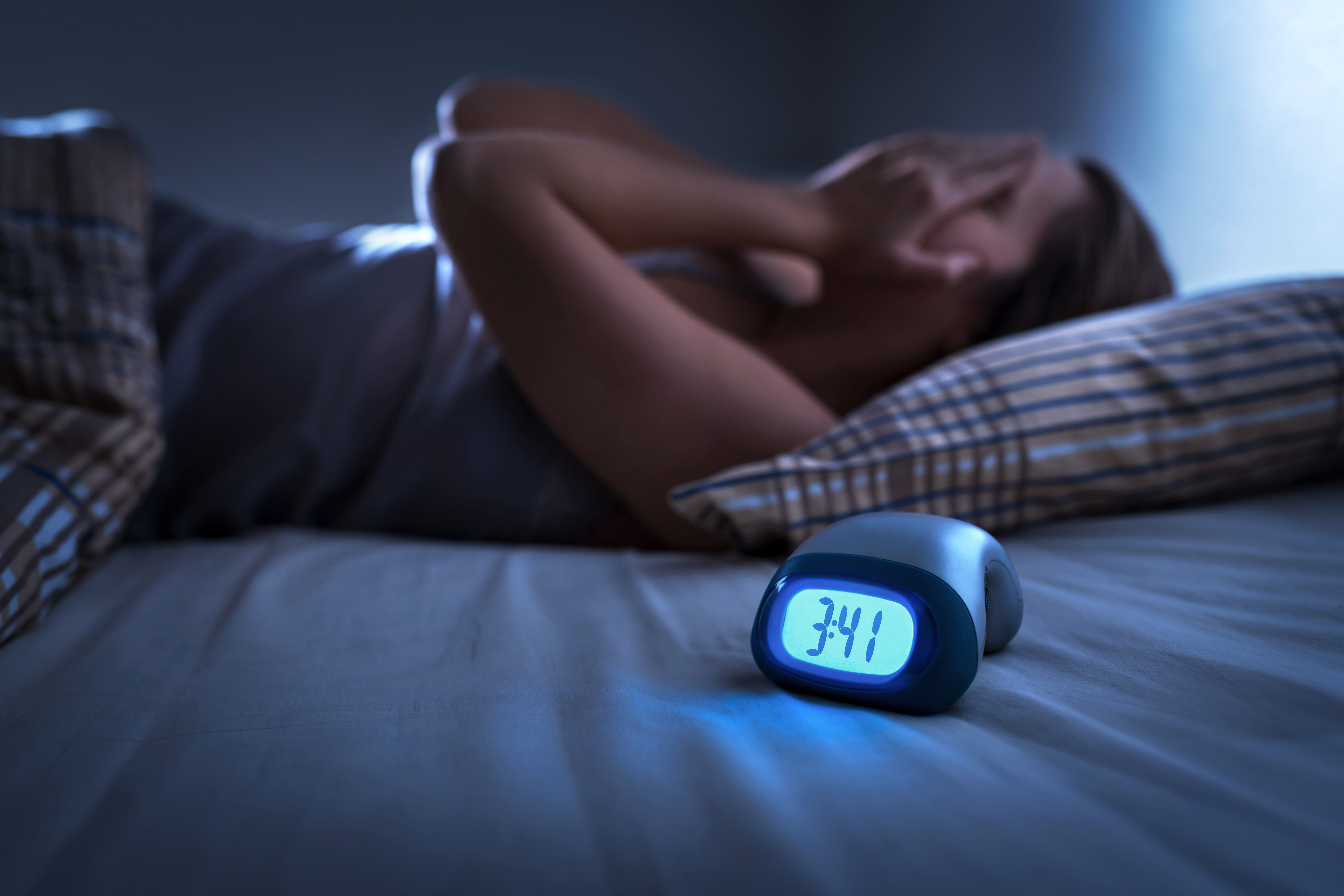
Historically, obstructive sleep apnea was regarded primarily as a nighttime breathing disorder characterized by loud snoring and daytime fatigue. However, contemporary perspectives are shifting rapidly.
Recent research in airway and sleep medicine indicates that sleep apnea extends beyond a sleep-specific issue. It is now increasingly recognized as a systemic health condition with potential effects on cardiovascular health, cognitive performance, metabolism, inflammation, mood, and long-term quality of life.
Current estimates indicate that nearly one billion individuals globally may be affected by some form of obstructive sleep apnea, with tens of millions of cases remaining undiagnosed in the United States. Despite its prevalence, public perception often reduces sleep apnea to a single symptom: snoring.
However, the underlying condition is considerably more complex.
During normal sleep, the airway remains open and stable, enabling the body to progress through restorative sleep stages while maintaining adequate oxygen levels. In obstructive sleep apnea, the airway repeatedly narrows or collapses, disrupting breathing patterns and compelling the brain and body to compensate continuously.
For some individuals, these disruptions may occur dozens of times per hour during the night.
The significance lies not only in the breathing interruptions but also in the subsequent physiological chain reactions.
Repeated fluctuations in oxygen levels, surges in stress hormones, fragmented sleep architecture, inflammatory signaling, and increased sympathetic nervous system activity collectively place chronic stress on the body. Ongoing research is investigating how these patterns may contribute to increased risks of hypertension, cardiovascular disease, insulin resistance, cognitive decline, anxiety, depression, and chronic fatigue.
Many patients do not recognize the connection between these symptoms and underlying airway dysfunction.
As a result, individuals may attribute their symptoms to other causes, such as:
aging poorly,
under too much stress,
mentally foggy,
exhausted,
unmotivated,
or “just not themselves anymore.”
In numerous cases, sleep quality serves as an unrecognized foundation underlying deteriorating health.
Notably, sleep apnea does not present uniformly across individuals. Emerging research demonstrates that factors such as airway anatomy, craniofacial structure, muscle tone, nervous system regulation, inflammation, body composition, and sleeping position may all influence the development and manifestation of obstructive sleep apnea.
Consequently, airway-centered healthcare is receiving increased attention in both medical and dental fields.
The field of sleep medicine is expected to shift from generalized treatment models toward more personalized approaches that consider each patient’s unique anatomy and physiology.
Technological advancements are further accelerating this transition.
Home sleep testing, wearable devices, artificial intelligence-assisted diagnostics, and advanced airway imaging techniques are transforming the identification and monitoring of sleep-disordered breathing. The field is evolving rapidly, with growing recognition that earlier detection and intervention may reduce the long-term systemic burden of untreated airway disease. Fundamentally, airway health underpins overall health.
Breathing is not merely an automatic bodily function; it significantly influences sleep quality, recovery, inflammation, nervous system regulation, cognitive clarity, and overall resilience.
When airway function is compromised during sleep, the body frequently experiences adverse effects that may go unrecognized.
For many individuals, recognizing the role of airway health may provide critical insight into their overall health status.
As awareness increases, discourse surrounding sleep apnea is expanding beyond snoring and continuous positive airway pressure (CPAP) therapy. It is now integrated into broader discussions of prevention, physiology, recovery, and long-term wellness.
In many respects, the full extent of these systemic effects is only beginning to be understood.
Dr. John Johnson, DDS
Midwest BioHealth
The Johnson Papers