


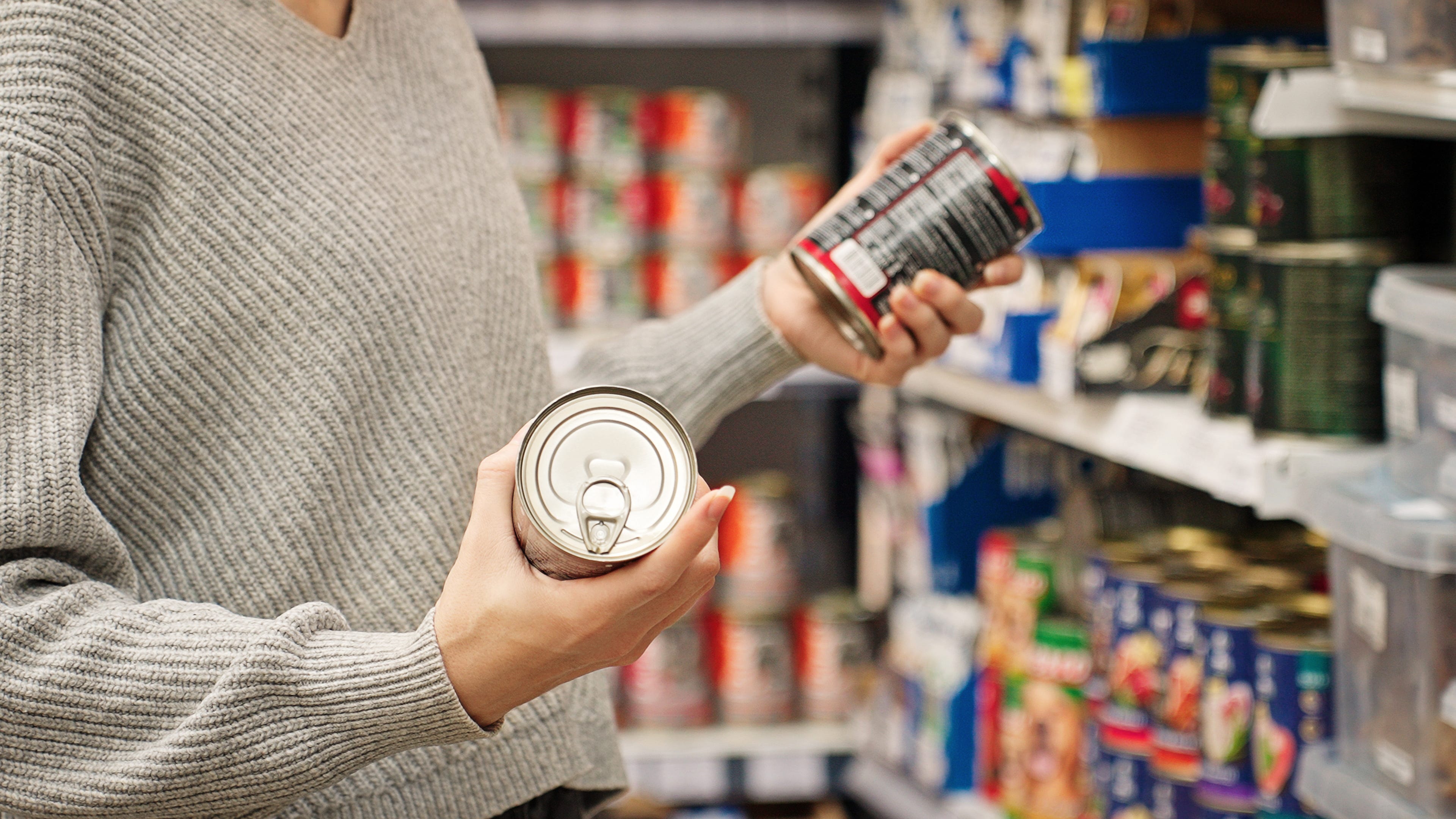
When we talk about food and health, we usually begin with what happens after the food has been swallowed. We discuss calories, protein, carbohydrates, fats, vitamins, blood sugar, digestion, and metabolism. Those are important conversations, but as a dentist, I have learned to begin a little earlier.
Before food reaches the stomach, it must pass through the mouth. The teeth bite and grind it. The tongue moves it from one side to the other and helps gather it into a form that can be swallowed. The muscles of the jaw adjust their force and movement according to the food’s texture. Saliva moistens the food, begins the digestive process, and helps protect the teeth and oral tissues.
Food therefore has a physical relationship with the body before it has a nutritional one.
A whole apple, applesauce, and apple juice may all begin with the same fruit, but they do not ask the same thing of the mouth. Corn eaten from the cob is not physically experienced in the same way as a tortilla chip, even though both may begin with corn. A piece of meat that must be bitten and chewed creates a different oral experience from a soft, reformulated product that can be consumed with very little effort.
Modern food has changed in many ways, but one of the most overlooked changes is how easy it has become to eat.
We can drink a meal, squeeze it from a pouch, unwrap it from a package, or swallow it after only a few chewing cycles. Children can consume much of their daily energy from foods that dissolve almost immediately in the mouth. Adults can eat an entire meal in the car without needing a plate, a fork, or much time.
Convenience has solved real problems. It has also quietly changed the physical work of nourishment.
Convenience Was Not a Mistake
I grew up during a period when convenience foods were becoming a larger part of American life. I remember products such as canned soup and Pringles becoming ordinary household items. Fast-food restaurants expanded, packaged meals became more available, and the Happy Meal turned eating into an experience designed specifically for children.
These products did not enter our lives as obvious threats. They arrived as solutions.
Opening a can of soup was easier than preparing broth, cutting vegetables, and tending a pot for several hours. A shelf-stable snack could travel in a lunchbox or remain in a pantry without spoiling. A restaurant meal offered consistency when a family was busy, traveling, or simply tired at the end of the day.
Food processing also made many foods safer and more widely available. Cooking, freezing, drying, pasteurizing, fermenting, and canning can control harmful microorganisms, reduce spoilage, extend shelf life, and allow food to be transported beyond the place and season in which it was produced. Processing is not inherently harmful, and a responsible discussion should not treat every food that comes in a package as nutritionally or biologically equivalent.
A frozen vegetable is processed. So are plain yogurt, canned beans, cheese, whole-grain bread, and sauerkraut. In each case, processing may preserve the food, improve safety, make it more digestible, or allow it to be stored and used more easily.
The more meaningful distinction is often between a food that has been prepared or preserved and a product that has been fundamentally reformulated.
The term ultra-processed food is commonly used for industrial formulations made largely from refined substances, extracted ingredients, flavoring systems, sweeteners, emulsifiers, colors, and other components that may not be used in an ordinary home kitchen. These products are often designed to be shelf-stable, ready to eat, highly consistent, and easy to consume. The classification is not perfect, and it cannot tell us everything about the nutritional value of an individual food, but it gives us a useful way to think about how far some products have moved from their original ingredients.
The question is therefore not whether convenience belongs in our lives. I use convenient foods. I eat in restaurants. I understand that time, income, transportation, geography, cooking facilities, and family schedules influence what people can reasonably prepare.
The more important question is what happens when convenience becomes the primary quality we expect food to provide.
Food Has a Physical Life
The mouth is not merely a doorway through which nutrition passes. It is an active biological system, and the physical properties of food influence how that system must function.
When we chew, the jaw does not repeat one identical movement. The muscles adjust to the size, hardness, elasticity, moisture, and structure of the food. The tongue continually evaluates and repositions what is being eaten. Saliva is mixed into the food as the teeth reduce it into smaller particles and the tongue forms a manageable bolus for swallowing.
These skills begin developing early. Infants and young children gradually learn to coordinate the jaw, tongue, lips, cheeks, and swallowing mechanism as they progress from liquids to purées, soft solids, and more complex foods. Research has found that different food structures produce different patterns of mandibular movement and muscle coordination during early feeding development.
This does not mean parents should give babies or young children hard foods they cannot safely manage. Food texture must always match the child’s developmental readiness, and choking hazards should never be confused with useful chewing opportunities.
It does mean that the developing mouth needs appropriate experience.
A child who is capable of managing varied textures should gradually be allowed to bite, mash, reposition, and chew foods suited to that stage of development. When nearly every food is puréed, dissolvable, drinkable, or extremely soft, the oral system encounters a narrower range of physical demands.
Research into the relationship between food consistency and jaw development must be interpreted carefully. Much of the evidence showing changes in jaw-bone metabolism after prolonged soft-diet feeding comes from animal studies, not controlled human trials. Those studies suggest that mechanical loading and mastication influence tissues within the maxilla and mandible, but they do not prove that giving a child tougher food will create a larger jaw or prevent an airway disorder.
Genetics, nasal breathing, tongue posture, muscle function, oral habits, health conditions, and many other factors contribute to facial and dental development. Food texture is one part of that system rather than a single explanation.
The reasonable conclusion is not that everyone needs to chew jerky or that every soft food is harmful. The reasonable conclusion is that function matters, and a growing mouth should not be expected to develop within an environment that asks it to perform almost no work.
When Food Became Faster Than the Body
Making food easier to chew also made it faster to eat.
A soft food can often be consumed in larger bites and swallowed after fewer chewing cycles. A drinkable meal may pass through the mouth almost immediately. When food is highly refined, energy-dense, and easy to consume, a person can take in a considerable amount of energy before much time has passed.
That difference is more than a theory.
In a controlled inpatient trial conducted by researchers at the National Institutes of Health, 20 adults were provided either an ultra-processed diet or an unprocessed diet for two weeks and then crossed over to the other diet. The meals were designed to be matched for several nutritional characteristics, and participants were allowed to eat as much or as little as they wished. While eating the ultra-processed diet, participants consumed approximately 500 more calories per day and gained weight; while eating the unprocessed diet, they consumed less and lost weight. The study was small and does not prove that every ultra-processed product produces the same response, but it demonstrated that the form and formulation of a dietary pattern can influence how much people eat even when several conventional nutritional measures are held relatively similar.
Food texture appears to be part of that story. In a controlled crossover study involving 50 adults, researchers compared softer and harder versions of both minimally processed and ultra-processed meals. The harder-textured meals were eaten more slowly and resulted in lower food and energy intake. The soft ultra-processed meal produced the highest intake, while the hard minimally processed meal produced the lowest.
Another small crossover trial found a similar pattern: participants ate considerably more energy from soft meals than from harder-textured meals, regardless of whether the foods were classified as processed or unprocessed. The researchers emphasized that texture and eating rate may explain part of the relationship between modern food and overconsumption, while also cautioning that the study was preliminary and involved only 18 adults.
These findings help us move beyond the idea that eating behavior is simply a matter of discipline.
The body may be responding normally to a food environment that has become unusually fast. If a meal can be consumed in several minutes, requires little chewing, contains substantial energy, and delivers a highly consistent sensory experience with every bite, the person eating it may take in more before the natural process of eating has had time to unfold.
The problem is not necessarily that the body has forgotten how to regulate itself. The food may have been designed in a way that allows energy to arrive faster than the body’s regulatory systems were accustomed to receiving it.
The Work of Eating Is Part of Eating
We often speak of efficiency as though it is always beneficial. In many areas of life, it is. We want transportation to be efficient, communication to be fast, and household tasks to require less unnecessary labor.
Eating may be different.
The time required to bite, chew, taste, and swallow is not necessarily wasted time. It creates sensory exposure. It allows the tongue and jaw to perform their functions. It slows the delivery of the meal. It gives the person eating an opportunity to notice texture, flavor, temperature, and fullness.
A whole food is often not as efficient as its reformulated version. An orange must be peeled and chewed. Orange juice can be swallowed quickly. Nuts require repeated chewing. A nut-based spread can be consumed with much less effort. Vegetables with structure may need to be bitten and repositioned; a vegetable pouch can be emptied in a few moments.
None of those comparisons makes one form categorically good and the other categorically bad. A smoothie may help someone who has difficulty chewing. A pouch may be useful during travel. Soup can be a nourishing meal, and soft food may be medically necessary after surgery or during illness.
Context matters.
The concern arises when the soft, quick, and drinkable version repeatedly replaces the form that asks the body to participate. A tool intended for convenience can gradually become the default way of eating.
When that happens, we lose more than chewing. We may lose the pace, attention, and physical feedback that once accompanied a meal.
Preference Is Being Trained
Children do not enter the food environment with fixed preferences. They learn what food is supposed to taste like, how quickly it should arrive, what textures feel familiar, and what emotional experiences accompany eating.
That learning occurs at home, but it also occurs through packaging, advertising, restaurant environments, characters, toys, digital media, sports sponsorships, celebrity associations, and product placement. A child may recognize the color, logo, or mascot on a package long before understanding the ingredients inside it.
The World Health Organization has concluded that food marketing affects children’s food choices, dietary intake, purchase requests, and developing ideas about what normal food consumption looks like. The techniques identified as especially persuasive include promotional characters, toys, games, celebrity endorsements, and other strategies designed to create an emotional relationship between the child and the product.
The Happy Meal was not successful merely because it contained food. It made the meal predictable, portable, entertaining, and associated with a reward.
One restaurant visit does not determine a child’s health, and parents should not feel guilty for occasionally choosing fast food or giving a child a packaged snack. The more important issue is repetition. Food preference is shaped by what becomes familiar.
When children repeatedly encounter foods that are soft, intensely flavored, immediately available, individually packaged, and identical every time, they may begin to expect those qualities from food. A vegetable, a piece of meat, a bean, or a whole fruit may then feel less immediately rewarding because it requires more exploration and more work. Its flavor may vary slightly. Its texture may change with ripeness or preparation. It may need to be bitten, chewed, or eaten slowly.
Whole foods do not always compete well on the terms established by manufactured convenience products. They were not designed by a marketing department to deliver the same sensory result in every bite.
Parents cannot control every message a child receives, but they can understand that preference is being trained. The goal is not to create a perfectly pure diet. It is to make sure the child’s experience of food remains broad enough that real food does not become unfamiliar.
The Dental Cost of Constant Access
The effects of convenience are especially visible in the mouth because the teeth encounter food each time it is eaten or sipped.
Dental decay does not arise from one ingredient acting alone. It develops through an interaction among fermentable carbohydrates, acid-producing bacteria, a susceptible tooth surface, saliva, fluoride exposure, oral hygiene, and time. When bacteria within dental plaque metabolize sugars and certain other carbohydrates, acids are produced and the pH around the tooth falls.
Saliva helps the mouth recover, but recovery requires time.
A child who eats a sweetened snack with a meal and then goes several hours without another exposure creates a different oral pattern from a child who carries a pouch, cracker cup, juice bottle, sweetened drink, or sticky snack throughout the day. The total amount consumed may be similar, but the teeth in the second pattern are exposed repeatedly.
The American Academy of Pediatric Dentistry cautions against continuous, all-day snacking and identifies more than three between-meal exposures to sugar-containing snacks or beverages as a high-risk pattern for dental caries. It recommends that continuous access to a cup or bottle between meals be limited to water.
This is one reason I ask patients not only what they eat, but how often they eat it.
A parent may truthfully say that a child does not eat much candy, yet the child may sip a sweetened beverage, eat crackers, chew fruit snacks, or consume small packaged foods throughout the day. Many of these products do not feel like dessert, but they may still contain free sugars, refined starches, or other fermentable carbohydrates that oral bacteria can use.
The World Health Organization identifies free-sugar consumption as the most common dietary risk factor for dental caries and recommends limiting free sugars throughout life. Fresh whole fruit is not treated in the same way as sugar added to products or the sugars concentrated in syrups, honey, fruit juice, and juice concentrates.
Research examining ultra-processed food consumption and dental decay in children and adolescents has found an association between higher consumption and greater caries experience. A systematic review and meta-analysis involving 42 studies found higher risks or odds of dental caries among young people with greater ultra-processed-food intake. The evidence was observational and cannot prove that processing alone caused the decay, especially because these dietary patterns often include more sugar, refined starch, frequent snacking, and other shared risk factors. The association is still important because it reflects the way these foods are commonly formulated and consumed.
The dental cost of convenience is therefore not hidden. It may appear in the frequency of acid exposure, the pattern of constant grazing, the replacement of water with flavored drinks, and the normalization of snacks that can be consumed almost continuously.
The mouth records the pattern even when the person eating does not notice it.
The Package Replaced the Relationship
There is another cost to convenience that is harder to measure.
As food became more industrialized and more heavily packaged, many of us became increasingly separated from where it came from, how it was raised or grown, and what had been done to it before it reached the shelf.
I raise cattle, and that experience has made me more conscious of food origins. I see the animal, the pasture, the water, the seasons, and the work involved in producing the food. When I buy from another farmer or a producer I know, I have an opportunity to ask questions that are difficult to ask of a package.
Most people do not have access to a farm, and I do not believe everyone must buy premium meat, shop exclusively at farmers markets, or prepare every meal from scratch. Those expectations would ignore the realities of food access and family budgets.
The larger point is that knowing more about food changes the quality of the questions we ask.
A package can tell us that a product is natural, wholesome, made with whole grains, protein-rich, organic, or heart-healthy. Those phrases may describe something meaningful, or they may tell us very little about how much the food resembles its original ingredients, how quickly it can be consumed, what has been added, or what it is replacing in the diet.
The brand may become more familiar than the food.
Convenience has also changed our expectations of consistency. A whole fruit may be sweeter one week and more tart the next. A vegetable may taste different according to the season, soil, or preparation. Meat from different animals will vary. Manufactured products are designed to reduce that variation so the consumer receives the same taste and texture each time.
Consistency feels safe, but it can also narrow the range of sensory experiences we accept. Real food begins to seem unpredictable, while the packaged version becomes the standard.
Rebuilding a relationship with food does not require rejecting grocery stores or modern life. It may begin with something as simple as reading the ingredient list, purchasing one item from a local producer, preparing a familiar food at home, or helping a child understand that food comes from soil, plants, animals, water, weather, and human work rather than appearing fully formed inside a package.
Better Questions Than “Is This Food Bad?”
People often want a simple rule. They want to know whether a particular ingredient, package, restaurant, or product is good or bad.
Biology rarely gives us such clean categories.
A more useful approach is to ask what the processing accomplished. Did it make the food safer, preserve it, ferment it, freeze it, cook it, or make a nourishing ingredient easier to use? A can of beans may help a family prepare a healthy meal more quickly. Frozen vegetables can preserve food that might otherwise spoil. Plain yogurt is a processed food whose transformation serves a recognizable purpose.
The question changes when processing primarily makes a product sweeter, softer, faster to consume, more colorful, more shelf-stable, or more difficult to stop eating. That does not automatically make the product forbidden, but it helps us understand the role it is likely to play.
I also encourage people to ask how much work the food asks of the mouth. Does it need to be bitten, chewed, moved by the tongue, mixed with saliva, and eaten over time? Or can it be dissolved, squeezed, swallowed, or consumed as a drink?
This is not a test that every meal must pass. Soup does not become unhealthy because it is soft, and a hard cookie does not become healthy because it requires chewing. Texture is one piece of information, not a nutritional rating system. The question simply reminds us that food has a functional relationship with the mouth.
The next question is what the convenient food is replacing. A packaged ingredient that helps a family assemble a balanced meal is different from a dietary pattern in which manufactured products replace nearly every opportunity to eat recognizable food. A pouch used during travel is different from a child receiving most fruits and vegetables in puréed form long after being able to manage ordinary textures.
Finally, we should ask how often the food is entering the mouth. An occasional dessert eaten with a meal creates a different dental environment from repeated sipping or grazing throughout the day. Frequency is one of the most practical and overlooked parts of oral-health nutrition.
These questions do not demand perfection. They help us see the pattern.
Convenience With Intention
I am not asking families to return to a time when every meal required hours of labor. I do not believe we need to reject every food in a package, refuse every restaurant meal, or feel guilty when convenience helps us through a difficult day.
Convenience can be a useful tool. The problem begins when it becomes the organizing principle of the diet.
When food is expected to be instantly available, extremely soft, intensely flavored, individually packaged, and identical every time, the entire eating experience changes. The mouth performs less work. Meals become faster. Children learn a narrower definition of what food should feel like. Teeth may be exposed more frequently, especially when convenience encourages continuous sipping and snacking. The eater becomes further removed from the source and preparation of the food.
No single package caused that change. It happened gradually as we solved one practical problem after another.
That is why the response does not need to be extreme. Most families can begin by restoring a little more participation to eating. We can serve more foods that still resemble where they came from. We can allow children to encounter safe, age-appropriate textures. We can make meals distinct from continuous snacking. We can choose water between eating occasions. We can cook when we reasonably can and use convenience thoughtfully when we cannot.
We can also slow down enough to notice what the food asks of us.
The mouth is not merely the place where food passes on its way to the rest of the body. It is where nourishment first becomes a biological experience. The teeth, tongue, muscles, saliva, senses, and nervous system are all participating before the first swallow occurs.
When we remove nearly all of that participation, we should not be surprised that something changes.
The cost of convenience is not one ingredient, one restaurant, or one family decision. It is the cumulative effect of making food so easy that eating no longer requires much from us.
Convenience has a place in a healthy life. It simply should not replace the physical, sensory, and human experience of food itself.
Selected References
Hall KD, Ayuketah A, Brychta R, et al. Ultra-Processed Diets Cause Excess Calorie Intake and Weight Gain: An Inpatient Randomized Controlled Trial of Ad Libitum Food Intake. Cell Metabolism. 2019;30(1):67–77.e3. doi:10.1016/j.cmet.2019.05.008.
Teo PS, Lim AJ, Goh AT, et al. Texture-based differences in eating rate influence energy intake for minimally processed and ultra-processed meals. American Journal of Clinical Nutrition. 2022;116(1):244–254. doi:10.1093/ajcn/nqac068.
Simione M, Loret C, Le Révérend B, et al. Differing structural properties of foods affect the development of mandibular control and muscle coordination in infants and young children. Physiology & Behavior. 2018;186:62–72. doi:10.1016/j.physbeh.2018.01.009.
Fujita Y, Maki K. Association of feeding behavior with jaw bone metabolism and tongue pressure. Japanese Dental Science Review. 2018;54(4):174–182. doi:10.1016/j.jdsr.2018.05.001.
World Health Organization. Policies to Protect Children From the Harmful Impact of Food Marketing: WHO Guideline. Geneva: World Health Organization; 2023.
American Academy of Pediatric Dentistry. Policy on Dietary Recommendations for Infants, Children, and Adolescents. The Reference Manual of Pediatric Dentistry. Chicago, Ill.: American Academy of Pediatric Dentistry; 2025.
Cascaes AM, da Silva NRJ, Fernandez MDS, Bomfim RA, Vaz JDS. Ultra-processed food consumption and dental caries in children and adolescents: a systematic review and meta-analysis. British Journal of Nutrition. 2023;129(8):1370–1379. doi:10.1017/S0007114522002409.
Monteiro CA, Cannon G, Lawrence M, Costa Louzada ML, Pereira Machado P. Ultra-Processed Foods, Diet Quality, and Health Using the NOVA Classification System. Rome: Food and Agriculture Organization of the United Nations; 2019.