


When most individuals consider the diagnosis of sleep apnea, they often envision an overnight stay in a sleep laboratory with extensive monitoring equipment. Although traditional polysomnography remains essential, especially for complex cases, contemporary technology is transforming the identification and management of sleep-disordered breathing. In my practice at Midwest BioHealth, I have observed that these innovations address persistent challenges related to access, efficiency, and personalization. The mouth and upper airway function as crucial gateways to systemic health, and disruptions in these areas can have widespread physiological effects. Emerging diagnostic tools now enable more precise and earlier evaluation of these interconnections.
The Growing Demand for Sleep Care
Sleep-disordered breathing, particularly obstructive sleep apnea (OSA), affects a substantial portion of the population. Recent estimates suggest prevalence rates in adults ranging from approximately 9% to 38%, with projections indicating continued growth driven by aging demographics and rising obesity trends. Despite this, a large percentage of cases—often estimated at 80% or more—remain undiagnosed.
The challenge extends beyond public awareness. Sleep centers often contend with lengthy waitlists, and access remains limited in rural or underserved regions. As public understanding of sleep’s significance in overall health grows, the disparity between demand and available resources widens. In my experience, many patients seek care only after symptoms have substantially affected their quality of life, cardiovascular health, metabolic function, oral health, or cognitive performance. This gap in care underscores the importance of earlier diagnostic approaches.
From Sleep Labs to Home Testing
Traditional in-laboratory studies provide comprehensive data but are resource-intensive and less convenient for many patients. Home sleep apnea testing (HSAT) has emerged as a practical alternative for appropriate candidates. Modern devices capture key metrics—including breathing patterns, oxygen saturation, heart rate, and respiratory effort—with improved accuracy and user-friendliness.
I have observed that for many uncomplicated cases of suspected OSA, home testing expedites diagnosis and reduces barriers to care. As sensor technology and validation research progress, these tools increasingly approach the performance of laboratory-based studies. This evolution explains why home testing has become a practical next step for suitable candidates.
The Rise of Wearable Sleep Technology
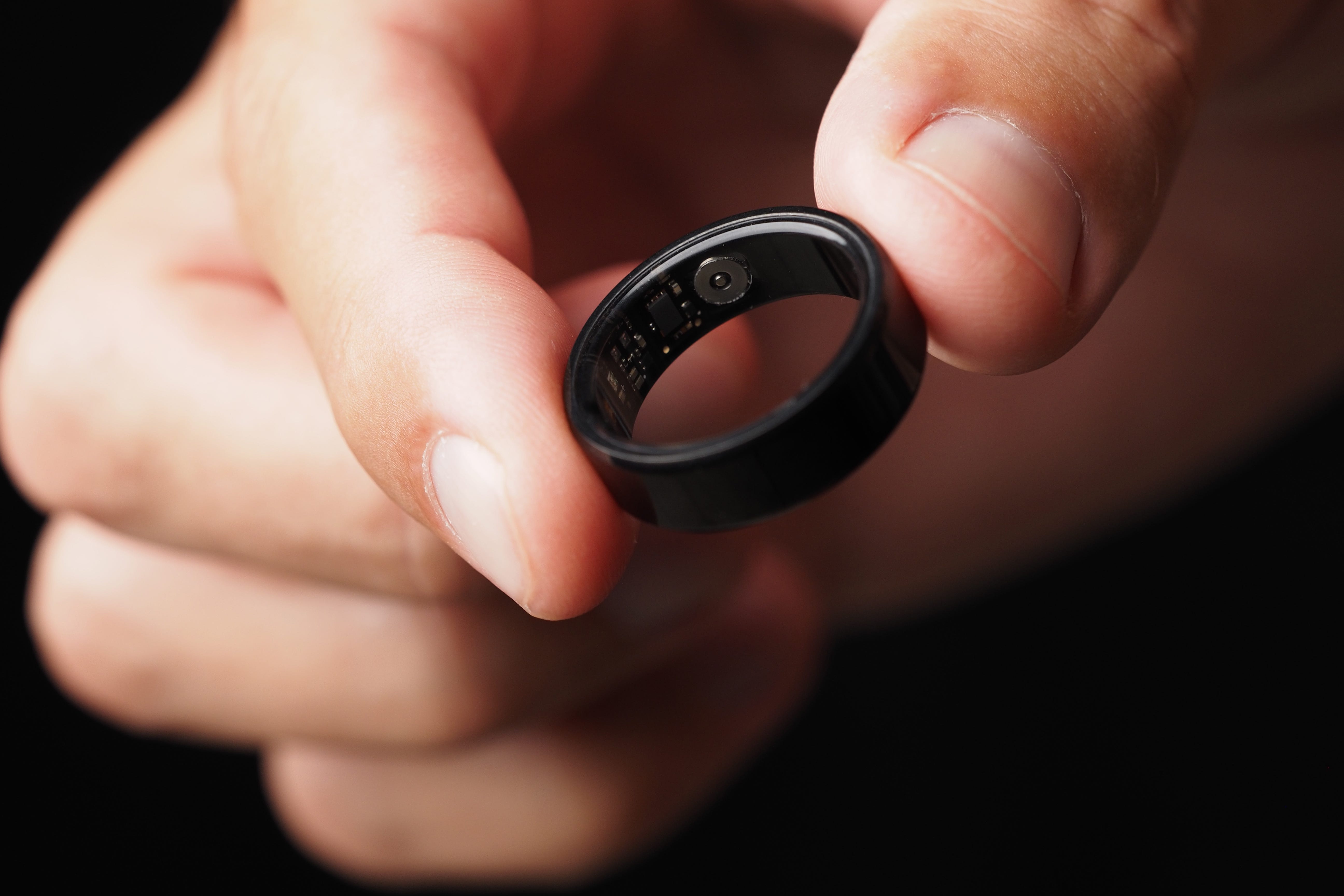
Consumer wearables—smartwatches, rings, and patches—have introduced sleep monitoring to millions. These devices track sleep duration, stages, heart rate variability, oxygen levels, and respiratory signals, generating valuable longitudinal data.
Although these devices are not substitutes for formal diagnostic tools, they frequently provide the initial indication that prompts patients to seek professional evaluation. In clinical practice, I am open to wearable data alongside patient histories, which contextualizes symptoms and informs subsequent testing. Wearables thus serve as an effective bridge between everyday experiences and formal clinical assessment. Another tool in the toolbox.
Artificial Intelligence Changes the Equation
One of the most promising developments is the integration of artificial intelligence and machine learning into sleep analysis. Historically, scoring polysomnography or home studies required extensive manual review. AI algorithms now assist in identifying sleep stages, respiratory events, and patterns with speed and consistency, allowing clinicians to focus on interpretation and individualized care.
In my view, these systems serve as valuable clinical supports rather than replacements for clinician expertise. They have the potential to reduce diagnostic delays and increase capacity, especially when integrated with telehealth and remote monitoring. This integration renders AI most effective within comprehensive clinical workflows.
Seeing the Airway in New Ways
Beyond traditional metrics, advances in airway imaging offer deeper insights. Ultrasound-based assessments, for example, provide dynamic, non-invasive visualization of upper airway structures and collapse patterns at the point of care.
This development marks a transition from merely confirming the presence of obstruction to understanding its underlying causes and anatomical location. Such insights more effectively inform treatment selection, including oral appliance therapy, myofunctional interventions, orthodontics, surgery, or multimodal strategies. Consequently, advances in imaging improve diagnosis and enable more targeted, individualized planning.
Personalized Treatment Planning
Obstructive sleep apnea is not a monolithic condition. Individual contributions from craniofacial development, muscle tone, nervous system regulation, inflammation, and comorbidities vary widely. Advanced diagnostics help match therapies more effectively: CPAP, mandibular advancement devices, airway-focused interventions, weight management, or combinations thereof.
This level of precision aligns with the broader principles of biological and integrative care emphasized at Midwest BioHealth, which focus on addressing underlying contributors rather than treating symptoms in isolation. It further underscores the importance of tailoring treatment to each individual’s airway characteristics to support oral and overall health.
A New Era of Preventive Airway Medicine
The most significant opportunity may reside in earlier intervention. Continuous monitoring through wearables, enhanced home testing, AI-driven analysis, and dynamic imaging can identify emerging issues before severe systemic consequences arise. This preventive approach is particularly pertinent to airway health, given its fundamental role in overall wellness.
Clinical Interpretation and Practical Perspective
In clinical practice, I have observed that these technologies empower patients and enhance workflow efficiency while maintaining the centrality of clinical judgment. For patients, it is important to monitor wearable insights, discuss persistent fatigue or snoring with healthcare providers, and consider comprehensive evaluations that include airway assessment. For clinicians, integrating validated tools thoughtfully and correlating data with patient history and examination findings is essential. This balanced approach ensures alignment between technological advancements and clinical expertise.
Uncertainties persist regarding long-term accuracy across diverse populations, integration into clinical workflows, and cost-effectiveness. Nevertheless, the direction is evident: the future of sleep medicine is integrated, accessible, and personalized, with a focus on earlier detection and more precise care.
References
Recent meta-analyses and prevalence studies on the burden of OSA.
Reviews on AI applications in sleep scoring and home testing (e.g., Frontiers in Sleep, 2025).
Studies on wearable FDA-cleared features and ultrasound airway imaging.
Clinical reviews on precision approaches to sleep-disordered breathing.
Dr. John Johnson, DDS
Midwest BioHealth
The Johnson Papers