


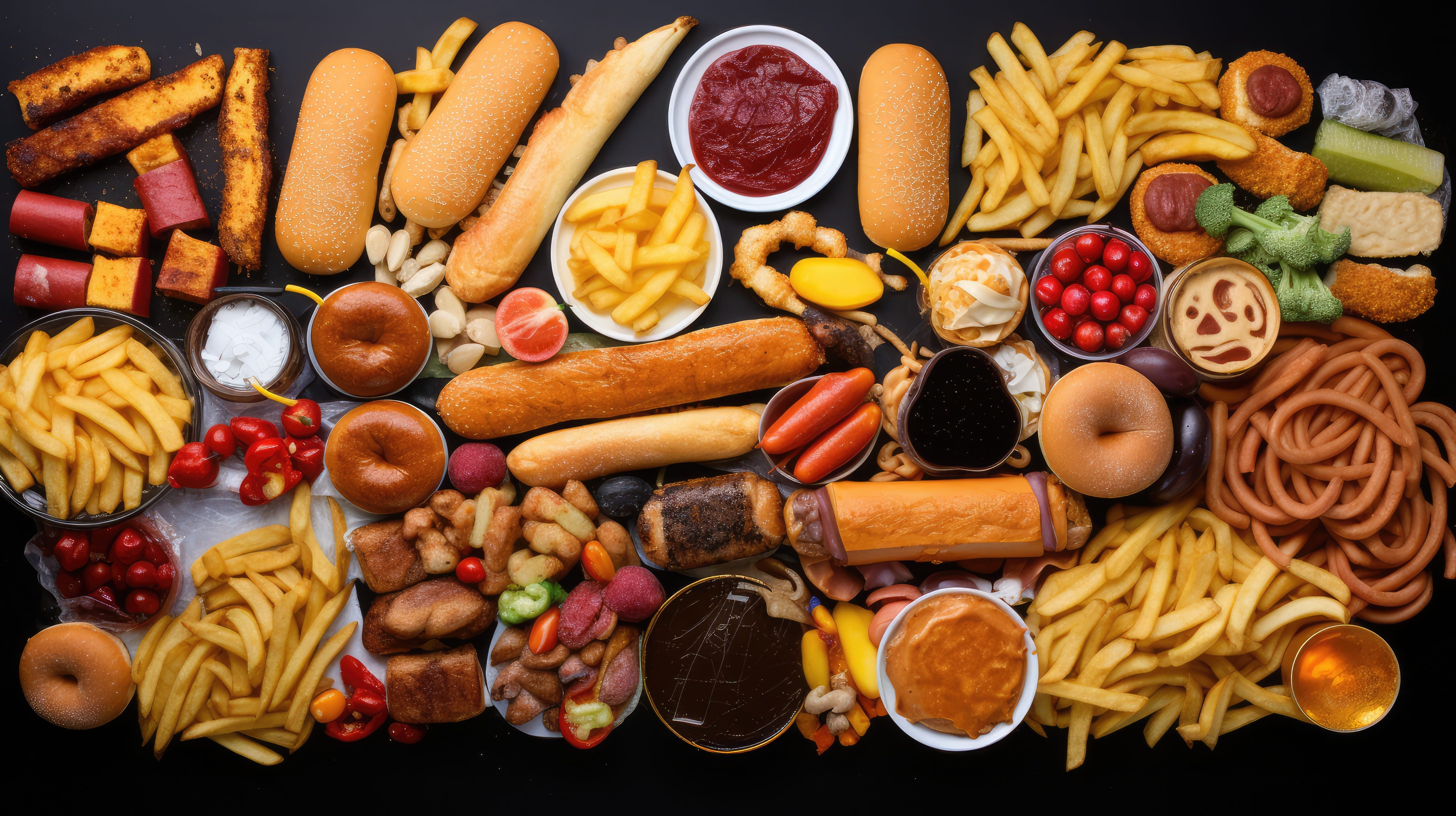
It means gathering around a table after a long day. It means recipes passed down. Casseroles appear at church functions. There’s simple comfort in a warm meal with people you know.
But something has changed, and the impact is broader than it appears at first glance.
Over the past few decades, much of what we call “food” has quietly shifted. Not in appearance or convenience, but in what it actually does inside the body.
And the effects are not loud or immediate. They build slowly. Quietly.
What we are seeing now, in both medicine and dentistry, is a steady rise in chronic inflammation. It shows up in ways people don’t always connect back to their diet, fatigue, brain fog, joint discomfort, gum disease, and long-term systemic issues that seem to come out of nowhere.
But they don’t come out of nowhere.
From Real Food to Manufactured Product
Food used to be as close to its natural state as possible. Meat, vegetables, grains, dairy, prepared simply.
Today, much of what fills grocery store shelves has been engineered for shelf life, taste, and convenience.
During processing, foods are exposed to high heat, chemicals, and refinement. In that process, essential nutrients—including vitamins, minerals, and enzymes—are stripped away. The body depends on these nutrients.
At the same time, new compounds are formed. Many of these contribute to oxidative stress, a primary driver of inflammation in the body.
So what you’re left with is something that looks and tastes like food but acts differently once consumed.
Where the Problem Starts
When I talk with patients, I try to simplify this.
There are four main ways processed foods tend to drive inflammation.
First, the oils.
Many processed foods rely on industrial seed oils rich in omega-6 fatty acids. These are not inherently bad, but in excess, and especially when out of balance with omega-3 intake, they shift the body toward an inflammatory state. Add in trans fats, and the effect becomes more pronounced.
Second, the sugar.
Refined sugars, particularly high-fructose corn syrup, cause rapid spikes in blood sugar and insulin levels. Over time, this repeated cycle contributes to metabolic stress and chronic inflammation.
Third, the lack of nutrients.
When food no longer carries meaningful nutritional value, the body still has to process it. This creates a metabolic burden: energy is spent, but little is gained. Over time, that imbalance contributes to oxidative stress.
Fourth, the gut.
This is where things start to connect more deeply.
The gut microbiome plays a central role in regulating inflammation. Diets high in processed foods, especially those high in sugar, tend to disrupt that balance. Harmful bacteria thrive, beneficial bacteria decline, and the result is increased toxin production and inflammation that doesn’t stay confined to the digestive system.
What This Means for Your Mouth
This is where my world intersects directly with yours.
Most people think of oral health as separate from the rest of the body. Teeth, gums, cleanings, maybe a cavity here and there.
But the mouth is not isolated. It is part of a larger system.
Chronic inflammation in the body often appears in the gums. Periodontal disease is, at its core, an inflammatory condition. The same processes that affect joints, arteries, and metabolism can also harm the tissues supporting your teeth.
When the body is under constant inflammatory stress, the gums become more reactive. Healing slows down. Bacterial balance shifts. And over time, that can lead to breakdown of the supporting structures of the teeth. In many cases, what we see in the mouth is simply a reflection of what is happening systemically—and sometimes, those oral signs are early warnings of wider health issues. Addressing oral inflammation can support not just dental health, but also overall well-being.
A Different Direction
This is not about perfection.
It’s about awareness and direction.
When patients begin to shift toward whole foods, closer to their natural state, the changes are often noticeable. Energy stabilizes. Inflammation decreases. Oral health improves alongside overall health.
That means:
Foods that come from the ground or from animals raised responsibly
Ingredients you recognize without needing to decode a label
Meals that resemble what your grandparents would have considered normal
Simple is not outdated. Often, it’s a return to what actually works.
The Bigger Picture
Food is still culture. It is still a community. That should not be lost.
But food is also information. Every meal sends signals to the body. These signals either support health or slowly work against it.
The shift we are seeing today did not happen overnight, and it will not be corrected overnight either.
But small, consistent choices matter.
These choices matter—not just for how you feel today, but for your health ten, twenty, or thirty years from now.
And from where I sit, in a dental chair having conversations with patients every day, I can tell you this:
The body keeps score.
Start today by making just one change to prioritize real, nourishing foods in your meals. Each choice you make now will help determine your future health. Take charge and act—your health depends on it.